Reading between the lines of Barbados sustainable tourism hotels
On Barbados, many luxury properties now speak the language of sustainable tourism, from carbon neutral pledges to eco friendly design. The island’s tourism industry understands that high value visitors increasingly choose accommodation that aligns with climate and sustainability goals, yet the gap between polished marketing and measurable action remains wide. For business and leisure travelers extending a Bridgetown stay, the challenge is to separate genuinely environmentally friendly practice from a simple green flourish on a booking page.
Think of Barbados sustainable tourism hotels on a spectrum rather than a label. At one end sit properties that treat eco language as décor, while at the other you find hotels that track carbon, redesign energy systems, and help conserve fragile coral reefs and the wider Barbados sea. Your task as a guest is to learn which claims are backed by data, which will stand up to questions, and which change accelerates only on social media.
Southern Palms Beach Club & Resort Hotel, Eco Lifestyle + Lodge, and Beach View Hotel are three names that come up repeatedly in serious conversations about sustainable tourism on the island. Eco Lifestyle + Lodge, for example, reports sourcing close to 100% of its electricity from solar and has eliminated most single use plastics, while Beach View Hotel has installed solar water heaters and on site wastewater treatment to irrigate gardens. These hotels integrate energy conservation, water recycling, and waste reduction into daily operations, not just annual reports, and they sit within a national context where Barbados tourism policy links economic growth to renewable energy. When you evaluate sustainable hotels in Bridgetown, use them as benchmarks rather than exceptions, and compare how other properties talk about the environment, carbon neutral ambitions, and support for local communities.
Energy, coral stone, and the quiet reality behind carbon pledges
Energy is where the marketing gloss of Barbados sustainable tourism hotels most often collides with the hard reality of diesel generators. Some Bridgetown properties now line their roofs with solar panels and invest in more efficient chillers, while others still rely heavily on imported fuel that locks the tourism industry into a high carbon pathway. Barbados has set a national target of 100% renewable energy and carbon neutrality by 2030, yet many hotels are only beginning to map their emissions. When a property promises to be carbon neutral, ask whether that rests on genuine reductions or simply offsets purchased far from the island.
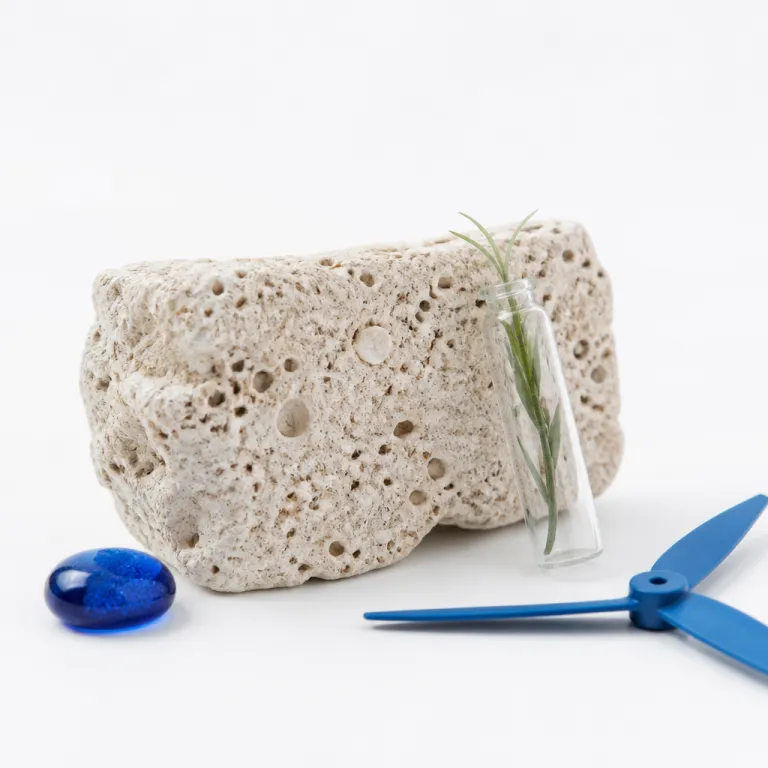
Coral stone construction is one of Barbados’ quiet advantages in the climate change conversation. Traditional coral stone walls, common in older Bridgetown residences and some luxury conversions, naturally regulate temperature, which reduces the need for aggressive air conditioning and lowers carbon emissions over the life of a building. Studies of naturally ventilated coral stone houses in the Caribbean show indoor temperatures several degrees cooler than outside air, even in peak heat. When new sustainable tourism hotels reference coral stone in their design narrative, the most credible ones can show how this material choice, combined with insulation, shading, and efficient glazing, directly cuts energy demand and helps protect island resources.
Government and Central Bank strategies now link tourism, green technology, and digital services, and that alignment matters for every executive choosing climate conscious travel options in the capital. The Central Bank of Barbados has highlighted renewable energy and climate resilience as priority investment areas in recent financial stability reviews, while the Ministry of Tourism’s plans reference low carbon infrastructure for the south and west coasts. The island’s shift toward solar and wind is not abstract; it shapes which hotels can run pools, spas, and conference spaces without locking in decades of extra carbon. For a deeper sense of how luxury and sustainability intersect in Bridgetown’s future, the analysis of global sustainability week for luxury travel in the capital on this dedicated briefing on sustainable luxury travel in Bridgetown offers useful context on how policy, infrastructure, and hotel investment now move together.
From rum plantations to chef’s gardens: what local sourcing really looks like
Food is where the story of Barbados sustainable tourism hotels becomes tangible on the plate. Executives flying in for meetings and staying on for the weekend often expect local fish, island vegetables, and Bajan rum to appear effortlessly, yet the logistics of sourcing sustainably in a tourism dependent economy are anything but simple. Serving genuinely local food at scale requires contracts with farmers, coordination with fishers, and a willingness from hotels to pay for quality rather than chase the cheapest imports.
St. Nicholas Abbey operates as a working rum plantation and heritage site, showing how historic estates can anchor sustainable tourism by keeping value on the island and reducing unnecessary transport. Its small batch rum, produced and bottled on site, allows hotels to cut freight emissions compared with imported spirits. Mount Gay’s commitment to sustainable practices and carbon neutrality targets sends a similar signal that the wider tourism industry, not just hotels, must treat climate and sustainability as core business rather than a side project. Mount Gay has publicised investments in energy efficiency and water management at its distillery, and participates in regional initiatives to reduce emissions in the rum sector. When Barbados eco resorts highlight partnerships with these producers, ask whether the rum in your glass and the sugar in your dessert actually come from those estates, or whether the names appear mainly for tourism marketing effect.
On the west coast, Colony Club’s chef’s garden is often cited as a closed loop sourcing model, where herbs and some produce travel only a few metres from soil to plate. That kind of environmentally friendly approach does not eliminate imports, but it does help conserve water, reduce packaging, and keep more of the tourism spend within local communities. Hotels that publish seasonal menus and list which ingredients are local make it easier to see how much of your dinner budget supports Barbadian producers. If you want refined comfort that respects the environment, look for properties that explain how they work with the Barbados Agricultural Society, local fish markets, or named farms, and, as outlined in the guide to all inclusive luxury hotels in Bridgetown, treat supply chains as seriously as spa menus.
Turtles, marine parks, and what beachfront sustainability really means
Along the south and west coasts, the marketing images of Barbados sustainable tourism hotels almost always feature a perfect beach and turquoise Barbados sea. Those same stretches of sand are also nesting grounds for endangered sea turtles, and the nearshore waters shelter coral reefs that buffer the island from storms and support fisheries. When a hotel promotes itself as eco friendly or environmentally responsible, the most meaningful test is how it behaves on that strip of sand after sunset.
Properties near so called turtles beach zones, where sea turtles regularly nest, should dim lights, manage noise, and train staff to handle encounters without stress for the animals. Serious hotels often support a turtle project such as the Barbados Sea Turtle Project, which has monitored nesting hawksbill and leatherback turtles for decades, or partner with marine park initiatives that remove debris and help conserve fragile habitats as climate change warms the water and change accelerates erosion. Guests can learn a great deal simply by asking reception how the hotel protects nesting turtles, what it tells visitors about beach etiquette, and whether it funds any conservation work beyond a framed certificate.
Marine protected areas and informal marine park zones around Barbados are under pressure from both tourism and climate change, and coastal resorts sit on the front line of that tension. Some properties now organise guided snorkelling with trained naturalists who explain coral bleaching, carbon driven warming, and how to protect island ecosystems by not touching coral reefs or feeding fish. Others follow guidelines from the Coastal Zone Management Unit on anchoring and mooring to avoid damaging coral heads. If a hotel claims to attract visitors through sustainable tourism, look for clear rules on jet ski use, beach lighting, and turtle friendly practices, because those details reveal whether responsible travel is a lived practice or just a line in a brochure.
How to audit a ‘sustainable’ stay in Bridgetown without a certification
Certifications can be useful shortcuts when comparing Barbados sustainable tourism hotels, but they are not the only way to judge a property. A carbon neutral badge on a website tells you little about whether the hotel has reduced energy use, shifted to solar, or simply bought offsets while running the same diesel generators. To evaluate a stay in Bridgetown, you need a simple, practical checklist that fits between board meetings and a late swim.
Start with energy and water, because those are the biggest levers for any hotel on a small island. Ask whether the property uses solar panels, how it manages air conditioning in corridors and meeting rooms, and whether it recycles grey water for gardens or relies entirely on mains supply. Look for visible signs of sustainability, such as refillable glass bottles instead of single use plastics, clear recycling points, and staff who can explain why certain eco friendly products appear in rooms and public spaces. Independent certifications such as Green Globe, EarthCheck, or Travelife can provide additional assurance when they are backed by recent audit dates and published performance data.
Then move to community and conservation, where the best Barbados eco hotels show their values through long term partnerships. Ask which local suppliers they use, how they support staff training, and whether they contribute to any sea turtle, coral reef, or marine park programmes that protect island ecosystems. Hotels that publish annual sustainability reports, list donations to projects like the Barbados Sea Turtle Project or the Folkestone Marine Reserve, and disclose the share of their procurement budget spent locally make it easier to verify claims. Together, energy performance, waste reduction, local sourcing, and conservation support form a practical lens for judging whether a carbon pledge is grounded in the daily reality of operations.
Finally, remember that Barbados sustainable tourism hotels exist within a broader wave of investment reshaping the capital’s waterfront. New luxury developments, including the megabrand resort project analysed in depth on this report on the island’s first major global luxury flag, will influence how the tourism industry balances growth with environmental limits. The Central Bank has already noted that climate resilience and green infrastructure will be critical to safeguarding tourism revenues in the 2020s. As a guest, your questions, booking choices, and feedback will quietly signal to owners and operators that sustainability is not a niche preference but a core expectation at the top end of the market.
FAQ
How can I tell if a Barbados hotel is genuinely sustainable?
Look for specific, verifiable actions rather than vague promises about sustainability or climate responsibility. Ask about solar power, water recycling, waste reduction, and whether the hotel supports local suppliers and conservation projects for sea turtles or coral reefs. Check for recognised certifications such as Green Globe or Travelife, and see whether the property publishes recent sustainability data. Staff who can answer these questions clearly usually indicate that sustainability is embedded in daily operations, not just in marketing.
What does carbon neutral mean for a hotel stay on the island?
A carbon neutral hotel measures its emissions, reduces them through efficiency and renewable energy, then offsets the remaining carbon through verified projects. On Barbados, that might involve solar panels, efficient cooling systems, and support for regional climate initiatives that meet standards such as the Gold Standard or Verified Carbon Standard. Guests can request a breakdown of how the hotel calculates and offsets its emissions, including the year of the assessment and the type of projects funded, to understand the depth of the commitment.
Why is coral stone important in Barbados hotel architecture?
Coral stone is a traditional building material in Barbados that helps regulate indoor temperatures naturally. Using coral stone in walls can reduce the need for intensive air conditioning, which lowers energy use and carbon emissions over time. It also reflects the island’s architectural heritage, making new builds feel rooted in place rather than imported, and aligns with the broader push for climate responsive design in Caribbean tourism.
How do Barbados hotels help protect sea turtles and the marine environment?
Responsible hotels near nesting beaches reduce lighting at night, manage beach furniture, and train staff to handle turtle encounters without disturbance. Many support local turtle project initiatives or marine park programmes that monitor endangered sea turtle populations and restore coral reefs, often in collaboration with the Barbados Sea Turtle Project or the Coastal Zone Management Unit. Guests can contribute by following beach guidelines, avoiding bright lights at night, and choosing operators that respect marine life and local conservation rules.
Is choosing a sustainable hotel more expensive for business travelers?
Rates at sustainable luxury properties in Bridgetown are often comparable to other high end hotels in similar locations. Some eco focused investments, such as solar power or efficient cooling, can even reduce operating costs over time, which helps keep prices competitive. For business travelers, the added value usually comes from better design, healthier food sourcing, and the assurance that their stay supports the island’s long term resilience and aligns with corporate climate commitments.