Speightstown Barbados history architecture for Bridgetown hotel guests
Speightstown sits on the west coast of Barbados, a quiet counterpoint to Bridgetown’s bustle and a rewarding day trip from luxury hotels in the capital. The story of Speightstown Barbados history and architecture begins with early English settlers in the 1630s and the decision to develop this natural harbour into a transatlantic node linking the island to Bristol and other British ports. When you book a premium stay in Bridgetown and plan your travel north, you are stepping into a living guide to how an island port grew rich on sugar, survived attempted invasions, and kept its historic buildings largely intact while modern structures rose elsewhere.
In the seventeenth century, maritime trade routes, coral stone warehouses, and fortified quays made this west coast town the commercial rival to Bridgetown and earned it the nickname Little Bristol. The official answer to the question “Why is Speightstown called 'Little Bristol'?” is simple and precise: “Due to its historical trade links with Bristol, UK.” That trade left a dense fabric of historic sites and colonial architecture, from former merchants’ houses along Queen Street to the sturdy outlines of sugar-related storehouses that still frame the turquoise waters off the coast of Barbados, giving today’s visitors a rare sense of life on the island before mass tourism and large cruise ships.
For couples staying in high-end hotels around Bridgetown, Speightstown’s layered Barbados history and preserved architecture offer a different kind of luxury, one measured in quiet streets and unhurried conversations rather than infinity pools. You can arrange private tours with local guides who explain how Admiral Sir George Ayscue’s failed 1651 naval campaign during the English Civil War shaped the town’s defences and why so many historic buildings survived while Bridgetown modernised faster. According to the Barbados Museum & Historical Society, Ayscue’s blockade and attempted landing were repelled by local militia, leaving Speightstown’s core largely intact while political power shifted south. These are the kinds of things that reward slow travel: you leave the capital’s boardwalks and Barbados beaches behind for a few hours, yet you gain a deeper understanding of the island’s past and of the west coast rhythm that still anchors Barbados’s best coastal communities.
Georgian facades, coral stone warehouses and a working waterfront
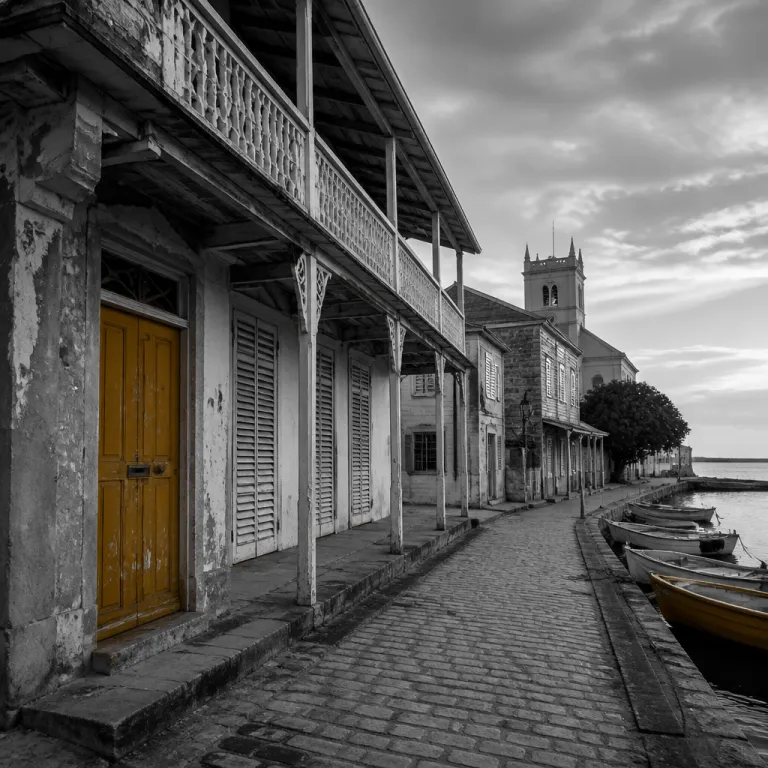
Walk north from the bus stand and the historic core of Speightstown unfolds in a sequence of Georgian facades, arcaded sidewalks, and coral stone walls that feel almost unchanged since the height of the sugar trade. Many of these historic buildings once stored molasses and rum bound for Bristol and other Atlantic ports, and their thick walls and shuttered windows echo similar structures in Charleston, South Carolina, and other southern United States harbours that shared the same maritime economy. The difference here on the island is scale: Speightstown’s waterfront remains intimate, with modern buildings set back just enough to let the colonial architecture breathe and to keep the turquoise waters in view.
Queen Street is the spine of this charming town, and it rewards couples who take their time rather than rushing between scheduled tours or cruise excursions. You pass former merchants’ houses that now host small shops and casual dining spots, each one a reminder that “Speightstown, settled around 1630, became a major port exporting sugar to Bristol.” Look up and you will see fretwork balconies, coral stone lintels, and timber jalousies that speak to both the climate and the social hierarchy of life on the island when enslaved Africans, Bristol merchants, and local planters built an economy together under harsh conditions. One local guide summed it up during a recent walking tour: “If you want to see how Barbados looked before the big resorts, this is the street you walk.”
For Bridgetown-based travellers, the best way to appreciate this architecture is to arrive early, before the heat and the day-trip crowds from cruising excursions build. Public buses from Bridgetown’s Cheapside or Fairchild Street terminals typically take 45–60 minutes to reach Speightstown, and most are clearly marked for the west coast route. Combine a stroll along the waterfront with a visit to St Peter’s Parish Church, one of the most atmospheric historic sites in Barbados, then compare its quiet graveyard to the livelier south coast boardwalk experience described in this guide to Hastings at dawn. You will notice how Speightstown’s west coast setting, away from the main cruising terminals, has helped preserve both its historic buildings and its sense of being a working town rather than a stage set for visitors.
Arlington House Museum and the layered story of Little Bristol
No serious exploration of Speightstown’s Barbados history and architecture is complete without stepping inside Arlington House, the meticulously restored three-storey house museum near the waterfront. This former merchants’ residence uses interactive exhibits to trace how maritime trade, plantation agriculture, and the sugar economy shaped both the town and the wider island, from the first settlement period to the rebuilding of St Peter’s Parish Church. Inside the house museum, you move through rooms that explain how schooners, warehouses, and sugar mills connected Speightstown to Bristol, to Charleston, South Carolina, and to other ports that shared similar fortunes.
One exhibit answers a key question many visitors bring to their Barbados travel planning: “What can visitors do in Speightstown? Explore historic sites, visit museums, and enjoy local cuisine.” Arlington House makes that promise tangible, with artefacts that show how enslaved Africans, local planters, and Bristol merchants built a complex society whose legacies still shape modern Barbados beaches, dining culture, and land ownership patterns. Typical opening hours are Monday to Friday from late morning to mid-afternoon, with slightly shorter hours on Saturdays and closures on public holidays, so it is worth checking current times with your hotel concierge or the Barbados Tourism Marketing Inc. before you set out. Couples who usually focus on the best hotels and west coast beaches often leave saying this was the top cultural stop of their trip, because it connects the quiet streets outside to the wider Atlantic world of cruising ships, sugar cargoes, and contested power.
As you plan your stay in Bridgetown, it is worth reading about upcoming luxury openings that will reshape the island’s west coast, including the Pendry project at Six Men’s Bay highlighted in this analysis of new Barbados hotel openings. Early announcements from Pendry Hotels & Resorts indicate an opening date targeted around 2026, though timelines can shift as construction progresses. Arlington House offers context for that shift, reminding you that every new marina, every set of modern buildings, and every expansion of cruises or cruising itineraries sits on land once worked for sugar and still marked by historic sites. When you book your Bridgetown hotel, build in a full day here rather than a rushed stop, because the life of the island reveals itself slowly in these rooms and in the streets just outside.
The fish market, hidden dining rooms and rum shop evenings
Speightstown’s fish market is where the town’s history, architecture, and daily life meet, and it is the best place to start your morning if you have come up from Bridgetown. At first glance it is a simple shed on the coast of Barbados, but watch closely and you will see how this working harbour still supplies several west coast hotels, from casual beach inns to high-end properties whose menus celebrate line-caught mahi mahi and flying fish. The market’s rhythm tells you more about Barbados than many formal tours, because you see chefs, home cooks, and fishers negotiating prices, swapping tips, and sharing news about water sports conditions and the state of the Barbados beaches after recent swells.
From here, follow the scent of frying fish and grilled breadfruit into side streets where unpretentious rum shops and small dining rooms serve some of the island’s best food. These are not on the usual lists of top Barbados restaurants, yet they are where the town’s history, architecture, and culinary life intersect most vividly, often in historic buildings that have changed function but not character. Ask about the catch of the day, order a plate to share, and you will understand why “What is the significance of St. Peter's Parish Church? One of the oldest Anglican congregations in the Western Hemisphere.” sits in the same mental map as your favourite rum shop, because both are anchors of community life on this part of the west coast. As one fish vendor put it while cleaning a barracuda for a Bridgetown chef, “Tourists come for the beach, but they remember the people they meet at this counter.”
For couples staying in Bridgetown hotels, a private driver or a carefully timed bus ride lets you enjoy Speightstown’s dining scene without worrying about the return journey after a few Mount Gay rums. This is where practical travel tips matter: carry cash for small places, respect that some rum shops operate more for locals than for cruise passengers, and remember that the best things here often happen off the main drag. If you plan your time well, you can swim in the turquoise waters, watch the fish market wind down, and then linger over dinner in a restored chattel house while the charming town settles into evening.
Planning your Bridgetown stay around Speightstown’s quiet allure
For many luxury travellers, the question is not whether to visit Speightstown, but how to weave its Barbados history and architecture into a Bridgetown-based itinerary built around comfort and ease. The answer lies in treating this charming town as a full-day anchor rather than a quick photo stop between cruises or standard west coast tours, especially if you care about historic sites and the subtler pleasures of life on the island. Start by choosing hotels in Bridgetown that understand heritage-focused guests, then ask their concierges to help you book a private driver who knows the best times to avoid traffic and to catch the fish market at its liveliest.
When you plan your travel dates, consider how peak season affects both Bridgetown and the west coast, using resources such as this detailed look at what peak season at a Barbados hotel really feels like. That kind of guide helps you decide whether to prioritise quieter Barbados beaches near Speightstown, more active water sports hubs closer to the capital, or a mix of both, depending on how much time you have. Either way, remember that the best experiences here are rarely rushed: allow space for unscripted things, like a conversation with a fish vendor or an unplanned visit to a small house museum you notice while walking.
On the practical side, treat your itinerary as a living document rather than a rigid schedule, and keep a few key tips in mind about how the island works. Public buses make it easy to reach Speightstown from Bridgetown, but couples who value comfort may prefer to book a private transfer through their hotels, especially if they plan to stay into the evening for dining and rum shops. As you confirm reservations, always review each property’s privacy policy and terms of privacy carefully, because a serious luxury guide respects not only where you stay and what you see, but also how your data is handled when you book and when you move between the capital and the quieter west coast.
Looking ahead: Pendry, modernity and the future of Little Bristol
The coming Pendry development at Six Men’s Bay, just north of Speightstown, will be one of the most significant shifts in the town’s Barbados history and architecture since the decline of the sugar trade. An 80-room luxury property with a 110-berth marina will bring new cruising traffic, higher-end dining, and a fresh layer of modern buildings to a stretch of the coast of Barbados that has long felt like the quieter cousin of Holetown and Bridgetown. For couples who love both heritage and comfort, the question is whether this will enhance the town’s status as one of Barbados’s best-kept secrets or push it closer to the polished resort feel found elsewhere on the west coast.
There are clear upsides: more sophisticated hotels mean better options for travellers who want to stay closer to Speightstown rather than commuting from Bridgetown, and new restaurants will likely join the existing mix of rum shops and family-run dining rooms. Heritage tourism advocates, however, are already asking how to protect historic buildings, maintain public access to Barbados beaches, and ensure that the life of the island does not become secondary to marina-based cruises and cruising itineraries. The long-term challenge will be balancing economic growth with cultural preservation, a tension that has shaped port towns from Bristol to Charleston, South Carolina, and that now returns in a new form to this charming town.
For now, the best approach for discerning travellers is to experience Speightstown in its current state, when coral stone warehouses still dominate the skyline and the fish market still sets the daily rhythm. Use your time in Bridgetown hotels to plan a thoughtful visit that supports local guides, small house museum projects, and independent dining spots, because these are the anchors that keep Speightstown’s Barbados history and architecture from becoming a mere backdrop. As the Pendry opens and other projects follow, the town will evolve, but if visitors value its historic sites as much as its turquoise waters and new amenities, Speightstown can remain the rare place where the past and present of Barbados meet on equal terms.
FAQ
Why is Speightstown considered important in Barbados history?
Speightstown is one of the earliest colonial settlements on the island and quickly became a major port for exporting sugar to Bristol, which is why it earned the nickname Little Bristol. Maritime trade, fortified quays, and plantation agriculture made it central to the development of Barbados, and many of its historic buildings still reflect that era. For visitors staying in Bridgetown hotels, a day in Speightstown offers a concentrated lesson in how the island’s economy and architecture evolved.
What can visitors do in Speightstown besides walking the historic streets?
Beyond admiring colonial architecture, visitors can tour Arlington House Museum, spend time at the fish market, and relax on nearby Barbados beaches that are usually quieter than those near the capital. Water sports such as snorkelling and paddleboarding are available along the west coast, often with views of coral stone warehouses and historic sites on shore. Couples can also enjoy low-key dining in rum shops and small restaurants that highlight local seafood and Bajan home cooking.
How much time should I plan for a visit from Bridgetown to Speightstown?
From most Bridgetown hotels, you should allow at least a full day to appreciate Speightstown’s Barbados history and architecture without rushing. That gives you time to visit Arlington House, explore St Peter’s Parish Church, wander Queen Street, and enjoy both lunch and an early dinner. If you are particularly interested in photography, architecture, or dining, consider returning for a second visit or planning an overnight stay on the west coast.
Is Speightstown easy to reach from Bridgetown without renting a car?
Yes, Speightstown is straightforward to reach from Bridgetown using public buses that run along the west coast, and the journey typically takes under an hour depending on traffic. Many luxury hotels can also arrange private drivers or small-group tours for couples who prefer more comfort and flexibility. Once in town, the main historic areas are compact and walkable, so you will not need additional transport to see the key sites.
Will new developments like the Pendry change Speightstown’s character?
New luxury projects such as the Pendry at Six Men’s Bay will bring more visitors, higher-end dining, and marina facilities, which will inevitably change the feel of the northern west coast. However, Speightstown’s core historic buildings, working fish market, and established community give it a strong identity that is likely to endure if development is managed carefully. Travellers who value heritage can support that balance by spending time and money in locally owned businesses and by seeking out tours that highlight the town’s history as much as its new amenities.