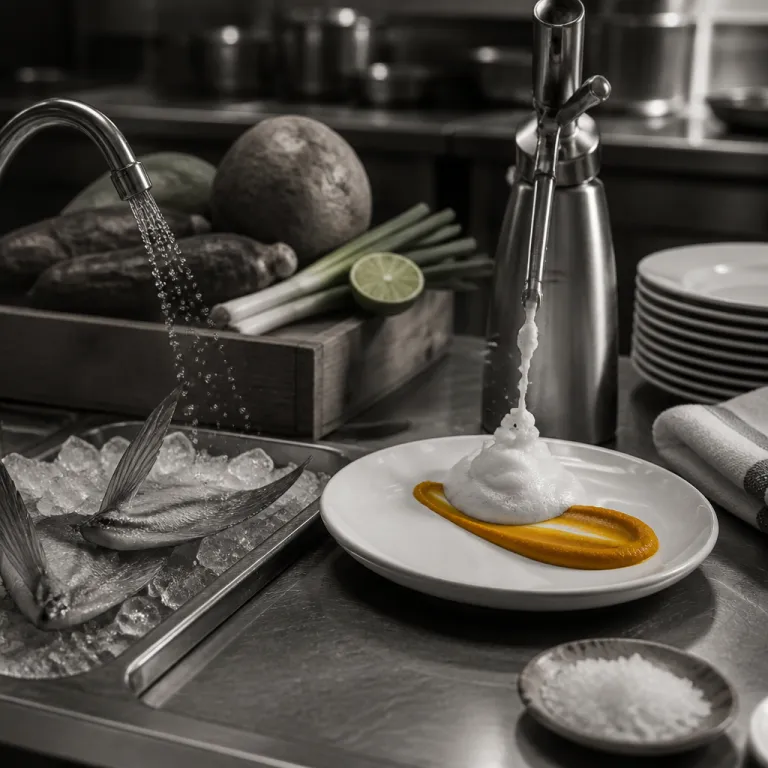
Barbados farm to table dining luxury in the hotel era
Barbados farm to table dining luxury has moved from fringe trend to quiet standard in the island’s higher tier hotels. On the south coast and west coast, executive chefs now talk more about the morning’s farm delivery than about imported foie gras, reshaping what luxury means for couples planning a stay in Bridgetown or nearby parishes. This shift touches every part of the dining experience, from the first rum sour at the bar to the last spoon of coconut foam on a dessert plate.
The context is stark for any serious restaurant team in Barbados, because the island still imports close to 90 percent of its food and that dependence shapes both cost and creativity in hotel kitchens. A new generation of chefs and hoteliers is using farm partnerships, chef’s gardens and tighter links with Oistins fishermen to shorten the journey from farm and sea to table, turning dining Barbados into a story of place rather than a generic Caribbean backdrop. For travelers scrolling through restaurants Barbados listings and trying to book online, the real question is now which properties translate that sourcing story into memorable beachfront dining and which still rely on anonymous containers.
Colony Club on the west coast has become a reference point, with its chef’s garden sending herbs and vegetables straight into the menu for grilled mahi mahi, garden pesto and bright salads that actually taste of the island. Coral Reef Club has gone further by pivoting toward fully local and organic food, proving that barbados farm to table dining luxury can sit comfortably alongside white tablecloths and polished silver. When you pair that with the island’s reputation as a culinary capital of the Caribbean, the best hotel restaurant choices in and around Bridgetown start to look less like an amenity and more like a reason to plan your travel dates.
From farm house to fish pot: how sourcing really works
Behind every elegant plate in a fine dining room near Bridgetown sits a web of farms, fishing boats and small suppliers that most guests never see. The current barbados farm to table dining luxury movement is built on three pillars in hotel kitchens ; on site gardens, direct farm relationships and sustainable seafood sourcing that keeps the supply chain tight. When a concierge talks about a special dining experience, they are increasingly talking about this network rather than about imported truffles.
Colony Club’s chef’s garden functions almost like a compact farm house operation, with cooks stepping outside to cut basil, thyme and chives before service, then carrying them straight back to the restaurant line. At Coral Reef Club, the commitment to fully local and organic ingredients means the team works closely with farmers in St George and St Thomas, adjusting the menu when a particular crop fails or when a bumper harvest of okra or pumpkin arrives. This is barbados farm to table dining luxury in practice, where the table reflects the island’s agricultural rhythm instead of a global supply schedule.
The fish angle is even more intimate, especially for hotels that lean into beachfront dining along the south coast and west coast. Many properties buy directly from Oistins fishermen, so the flying fish in your beach house style lunch or the marlin at a waterfront bar has often been landed only hours earlier, not days. When Royalton’s partnership with Mount Gay rum is framed as a deeper connection to Barbadian heritage, as explored in this guide to rum heritage meeting the room key, it mirrors the same logic ; shorten the distance between producer and guest, whether the product is rum, fish or fresh herbs.
Menus that follow the island, not the importer
Once hotels commit to local sourcing, the menu stops being a fixed international script and starts reading like a weather report for the island. Barbados farm to table dining luxury means that the same restaurant may serve grilled dolphin with breadfruit one week and lionfish with yam the next, depending on what the farm and the sea offer. For couples used to predictable resort buffets, this can feel thrillingly specific or mildly disorienting, depending on how clearly the story is told tableside.
At properties aligned with chefs such as Sophie Michell at Local & Co. or Alisha Dawn Stoute at ECO Lifestyle & Lodge, the language of the menu leans into provenance, naming the farm, the fishing boat or even the parish. One data point illustrates the ambition ; Local & Co. has reported sourcing around 80 percent of its ingredients locally, a remarkable figure on an island where imports still dominate supermarket shelves. When you sit down for dining Barbados style at these addresses, you are effectively reading a map of the island’s farms and fishing grounds rather than a generic Caribbean brochure.
Hotel guests who want the best restaurant experiences now look for certain signals when they read a menu or a hotel’s online description. References to a chef’s garden, to daily fish from Oistins or to seasonal vegetables from a named farm are more meaningful than vague mentions of fresh food or international fusion. For a deeper look at how these choices play out plate by plate, our guide to elegant Barbados restaurant experiences for luxury travellers breaks down which hotel restaurants truly lean into this farm table philosophy and which simply garnish imported steaks with a token local salad.
Where to eat: from beach bar to fine dining room
Choosing where to stay around Bridgetown now effectively means choosing your food narrative, because barbados farm to table dining luxury plays out differently on each coast. On the west coast, long associated with high end villas and classic fine dining, you will find polished rooms where the sommelier talks you through vintages while the chef quietly plates local mahi mahi with garden herbs. On the south coast and east coast, the tone is looser, with more live music, more barefoot evenings and more overlap between beach bar culture and serious food.
Names matter when you start planning, because certain restaurants Barbados wide have become shorthand for specific styles of dining experience. Lone Star on the west coast, for example, offers a glamorous beachfront dining setting where the sound of the surf competes with the clink of glassware, and where the menu often balances international comfort dishes with local fish and produce. At Sea Breeze Beach House and O2 Beach Club, both on the south coast, the focus is on Bajan ingredients served almost at the water’s edge, turning a simple lunch into a lesson in how the island’s farms and fishing boats sustain hotel kitchens.
Further north, around Mullins Beach and other pockets of the west coast, you will find a mix of casual and elevated spots that still plug into the same supply chain of farms and Oistins fishermen. Some properties host visiting chefs during the Barbados Food and Rum Festival, using the event to showcase how local rum, sugar, fish and vegetables can underpin a modern Caribbean tasting menu. Whether you are booking a room for the pool and spa or for the plate and glass, the smartest move is to read the restaurant section of each hotel listing as carefully as the room descriptions.
How to book and what to ask for as a couple
For couples planning a romantic stay, barbados farm to table dining luxury becomes a practical filter rather than just a marketing phrase. When you book online, look beyond the sunset photos and scan for concrete details about farm partnerships, chef’s gardens and daily fish deliveries, because those specifics usually signal a serious commitment. If the hotel mentions a chef by name, such as a collaboration with a figure like Paul Owens or a link to an eco restaurant concept, that is another sign the dining experience is treated as a core part of the stay.
Once you arrive, do not hesitate to ask the restaurant team where the fish, vegetables and herbs come from, because the best properties are proud to talk about their suppliers. A simple question about the catch of the day can open a conversation about which Oistins boat landed it and how the kitchen plans to prepare it that evening, turning dinner into a small masterclass in Caribbean sourcing. If you care about sustainability, ask whether the hotel supports lionfish on the menu, since eating this invasive species helps protect local reefs while still delivering excellent flavour.
Pair your dining plans with the rest of your stay, especially if you value privacy and slow mornings after long tasting menus and rum pairings. Properties that offer private plunge pools or quiet pool suites can be ideal for couples who want to linger over late breakfasts built around local fruit, eggs and coffee. Our guide to refined relaxation in Bridgetown hotels with private pools highlights stays where the room, the pool and the plate all work together, so you can move from farm fresh breakfast to sea view lounger without ever feeling rushed.
FAQ
What is farm to table in the context of Barbados hotels ?
Farm to table in Barbados hotels means sourcing ingredients directly from local farmers, fishermen and artisans instead of relying mainly on imported products. It often involves on site gardens, close relationships with Oistins fishing crews and seasonal menus that change with island harvests. This approach supports the local economy while giving guests fresher, more distinctive food.
Why is farm to table important for luxury travelers in Bridgetown ?
For luxury travelers, farm to table practices turn a standard hotel meal into a sense of place, because every plate reflects Barbadian farms and coastal waters. In a destination that still imports most of its food, choosing hotels that prioritise local sourcing is a direct way to support sustainable agriculture and fishing. It also tends to improve flavour and texture, since ingredients travel shorter distances before reaching the kitchen.
Does local sourcing make hotel dining more expensive in Barbados ?
Local sourcing can raise some costs, especially when small farms use labour intensive methods or when weather affects supply, but it can also reduce transport and storage expenses. In practice, luxury hotels often absorb part of this cost to maintain competitive pricing while highlighting the added value of fresher ingredients. Guests usually pay a slight premium for tasting menus or signature dishes that showcase rare local products, but many farm to table options are priced similarly to conventional offerings.
How can I tell if a hotel restaurant in Barbados is genuinely farm to table ?
Look for specific information about named farms, fishing boats or gardens on the menu and in the hotel’s materials, rather than vague references to freshness. Staff should be able to explain where the fish, vegetables and herbs come from and how often deliveries arrive. If the restaurant adjusts dishes based on seasonal availability and proudly mentions local partners, it is usually a sign of a genuine farm to table commitment.
Which hotels in Barbados are known for strong farm to table programs ?
Colony Club is recognised for its chef’s garden that supplies herbs and vegetables to the kitchen, while Coral Reef Club has moved toward using fully local and organic ingredients. ECO Lifestyle & Lodge and Local & Co. are also frequently cited for their focus on local sourcing and sustainable seafood. Many larger resorts are now incorporating similar practices, so it is worth asking each property how deeply they engage with local producers.