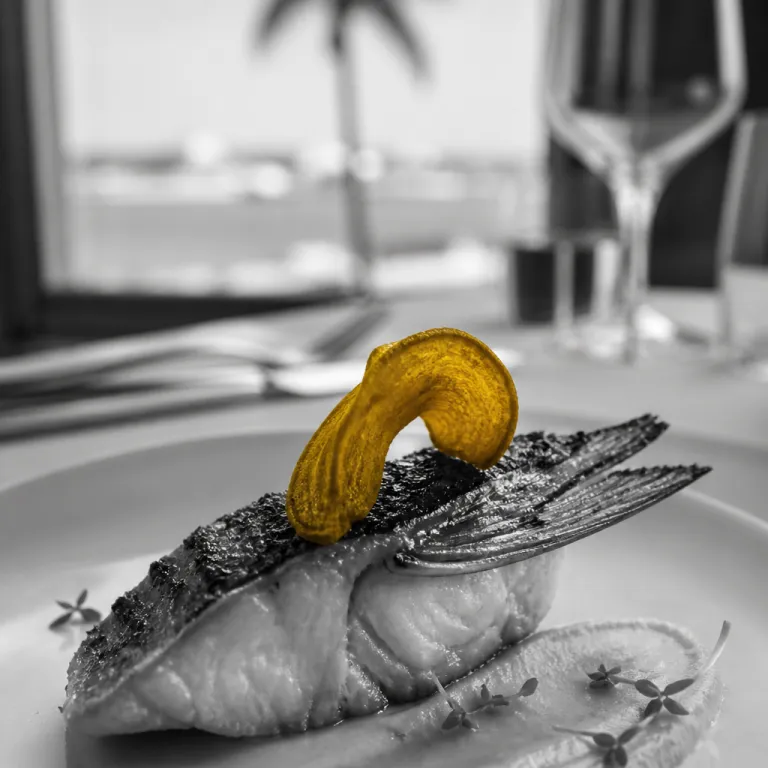
From rum shop counter to hotel lobby: why flying fish matters
Walk along the Bridgetown waterfront and you feel how the barbados flying fish national dish is stitched into daily life. On this Caribbean island the flying fish is not just a protein on a plate, it is a national marker that appears on coins, on the coat of arms and in the stories traded over rum shop counters. For a solo traveler planning where to stay, understanding this fish and its cou counterpart tells you more about Barbados than any glossy brochure ever will.
Locals talk about the barbados national emblem with the same pride they reserve for a perfectly fried fish served with cornmeal okra cou cou on a Friday. The classic fish coucou pairs finely sliced okra simmered in cups water with cornmeal, salt and a patient hand on the wooden spoon, then meets fillets of flying fish seasoned with salt pepper, black pepper and sometimes a hint of garlic powder. In Bridgetown’s premium hotels, chefs respect that heritage even when they move the national dish away from the beach shack and onto white tablecloths.
Seasonality shapes everything, because the flying fish follows cooler currents and can vanish from nearshore water for weeks. When that happens, some kitchens pivot to sea bass or other local fish for a refined fish stew, but they keep the same creole sauce and the same cou base so the spirit of the dish Barbados guests expect remains intact. As you compare luxury properties, ask how they handle the national recipe in those minutes when the fish is scarce, because the answer reveals how seriously they take Bajan food culture.
Cou cou craft: the quiet luxury behind the national dish
In the capital’s markets, the skill that underpins the barbados flying fish national dish starts long before any hotel kitchen fires up a stove. Fish vendors stand over wet tables, scaling and filleting flying fish with a speed that looks casual until you notice the precision of each cut and how little flesh is left on the bone. That same care flows into the cou, where okra, cornmeal and cups water are coaxed into something silky rather than stodgy.
Traditional fish cou is simple on paper yet unforgiving in practice, which is why older Bajan cooks still insist you turn heat slowly and stir with a wooden spoon in one direction to avoid lumps. The base begins with cornmeal okra simmered with salt, then cooks down over low minutes until the mixture pulls from the sides of the pot and can cradle the seasoned fish. In rum shops and modest Bridgetown dining rooms, you will taste versions where cooks add a creole sauce scented with scotch bonnet, garlic powder, black pepper and sometimes a drizzle of olive oil for sheen.
Luxury hotels that take food seriously often invite these same market experts and home cooks into their culinary teams, not as a marketing gesture but as guardians of technique. When you read that a property champions Bajan recipes, ask whether their chefs have stood beside the women at Cheapside Market learning to clean flying fish or to balance salt pepper in a proper fish stew. For travelers who care about provenance, this is as important as thread count or spa menus, and it pairs naturally with rum heritage experiences such as those explored in depth in the guide to rum heritage meeting the room key.
From cutter to cou flying: mapping your Bajan tasting ladder
Most visitors first meet the barbados flying fish national dish not on a tasting menu but in a cutter, that generous sandwich sold at fish fries and rum shops. At Oistins, a short travel hop from many Bridgetown luxury hotels, the same fish that appears in formal dining rooms is seasoned with salt pepper, laid on the grill and tucked into a roll with hot sauce in a matter of minutes. It is loud, smoky and gloriously informal, yet this is where you start to understand why the national dish still feels alive.
Step up a level and you reach the Bridgetown neighborhood restaurants where fish coucou is the Friday ritual, served with a ladle of creole sauce and maybe a side of fish stew if the pot has stretched far enough. Here the focus is on balance rather than plating, with cooks adjusting black pepper, scotch bonnet and garlic powder by instinct while they turn heat up or down under the cou. These rooms are where you hear Bajan families debate whose recipe for cornmeal okra is best, and where solo travelers are quickly folded into conversations about food, politics and the sea.
The final rung is the hotel dining room where chefs translate that same dish Barbados grew up with into multi course experiences, sometimes pairing flying fish with sea bass or other local catches to show the range of the island’s water. This is where the barbados national emblem meets white china and where cou flying becomes a canvas for olive oil emulsions, precise cups water reductions and carefully sourced peppers from across the Caribbean and even Antigua Barbuda. For a deeper overview of how luxury properties in the capital handle this spectrum, the guide to a gastronomic journey through Bridgetown’s luxury hotels is an essential companion.
How hotel chefs elevate the national dish without losing its soul
In Bridgetown’s top tier hotels, the barbados flying fish national dish has become a quiet test of integrity for ambitious chefs. Many of them trained in European kitchens where sea bass and elaborate fish stew preparations dominate, yet they arrive on this island knowing that flying fish and cou cou are the benchmarks by which locals will judge their food. The smartest among them treat the national dish as a framework rather than a constraint.
On tasting menus, you might find the elements deconstructed but still recognizable, with a delicate roulade of flying fish resting on a refined cornmeal okra purée instead of the traditional mound. A light creole sauce might be strained until glossy, its scotch bonnet heat dialed in so international palates feel the warmth without losing the nuance of garlic powder, black pepper and herbs. Some kitchens add a drizzle of olive oil infused with local pepper to echo rum shop condiments, while others play with cups water ratios to create almost cloud like cou textures.
What separates thoughtful reinterpretation from gimmick is respect for the original recipe and for the people who cook it daily in Bridgetown’s backstreets. When a chef talks about fish coucou, listen for references to the markets, to the way you must turn heat gradually and keep the wooden spoon moving, and to the importance of salt pepper balance in the broth that bathes the fish. That same philosophy of blending tradition with innovation has parallels far beyond Barbados, as shown by Orlando’s Flying Fish Restaurant at Disney’s BoardWalk Inn, where “Flying Fish integrates national dishes into tasting menus.”
Planning your stay: where wellness, water and the national dish meet
Choosing a luxury base in Bridgetown is easier when you think about how you want to eat and move through the city rather than just how you want to sleep. Properties along Carlisle Bay put you close to the water and to early morning fish markets, so you can watch flying fish arrive before they become part of the barbados flying fish national dish at dinner. Inland addresses often lean into wellness, pairing lighter interpretations of fish cou and vegetable forward recipes with spa rituals and guided walks.
Some hotels now build entire culinary itineraries around Bajan food, starting with a market visit where you learn to select fish, okra and peppers, then moving into a class where you whisk cornmeal into cups water and practice the slow turn heat technique for cou. You might stand at a stove, wooden spoon in hand, adjusting salt pepper and black pepper while a local cook explains why scotch bonnet should be respected rather than feared. These experiences pair naturally with ocean swims and reef focused wellness, themes explored in the guide to new wellness in Barbados, where food, movement and sea air are treated as a single continuum.
For solo travelers, this layered approach turns a hotel stay into a narrative that runs from rum shop cutter to tasting menu, with the national dish as the through line. You might eat a humble dish Barbados families have shared for generations one night, then taste a cou flying reinterpretation the next, all while hearing how currents, climate and regional trade with islands such as Antigua Barbuda shape what appears on your plate. In a city where luxury is increasingly defined by connection rather than excess, the way a property handles flying fish, fish coucou and the wider constellation of Bajan recipes tells you almost everything you need to know.
FAQ
Is the Barbados flying fish national dish available year round in Bridgetown hotels ?
Flying fish is a migratory species, so availability can fluctuate with the seasons and with changes in sea temperature. Many Bridgetown hotels serve the barbados flying fish national dish whenever responsible suppliers can provide high quality fish, then switch to alternatives such as sea bass while keeping the same cou cou and creole sauce structure. When you book, ask the concierge or restaurant team whether fresh flying fish is currently on the menu.
How long does it take to cook traditional fish coucou during a hotel class ?
Most cooking classes in Bridgetown’s premium properties allocate around ninety minutes for a full fish coucou session, from cleaning the fish to serving the plate. The active cooking time for the cou itself is usually thirty to forty minutes, because the cornmeal okra mixture needs slow heat and constant stirring with a wooden spoon. Hotels often build in extra minutes so guests can adjust salt pepper, black pepper and scotch bonnet levels to their taste.
Can vegetarians enjoy Bajan national dish inspired menus in luxury hotels ?
While the official national dish is centered on flying fish, many hotel chefs now create vegetarian cou based plates that echo the same flavors. They might replace the fish with grilled vegetables or legumes, keep the cornmeal okra foundation and finish with a bright creole sauce minus the seafood stock. This approach mirrors broader culinary trends where, as in Orlando’s Flying Fish Restaurant, “Yes, vegetarian options are available.”
What should I look for when choosing a Bridgetown hotel for food focused travel ?
Start by checking whether the property highlights Bajan recipes, market visits or fish fry excursions in its dining narrative, not just generic Caribbean food. Ask if the kitchen team works with local fish vendors, uses traditional techniques for fish stew and fish cou, and respects the balance of salt, pepper and heat that defines the national dish. A hotel that can talk confidently about flying fish seasonality, cou cou texture and the role of the dish Barbados calls its own is usually serious about gastronomy.
Is it necessary to reserve in advance for tasting menus featuring the national dish ?
For most high end Bridgetown hotel restaurants, reservations are strongly recommended, especially on weekends and on Fridays when fish coucou is a local tradition. Booking ahead allows the kitchen to plan portions of flying fish, manage cups water and cornmeal quantities for cou, and tailor scotch bonnet levels to guest preferences. It also gives solo travelers the best chance of securing a counter seat where they can watch the chefs turn heat, season with garlic powder and plate the barbados flying fish national dish in real time.