From cane harvest to national emancipation story
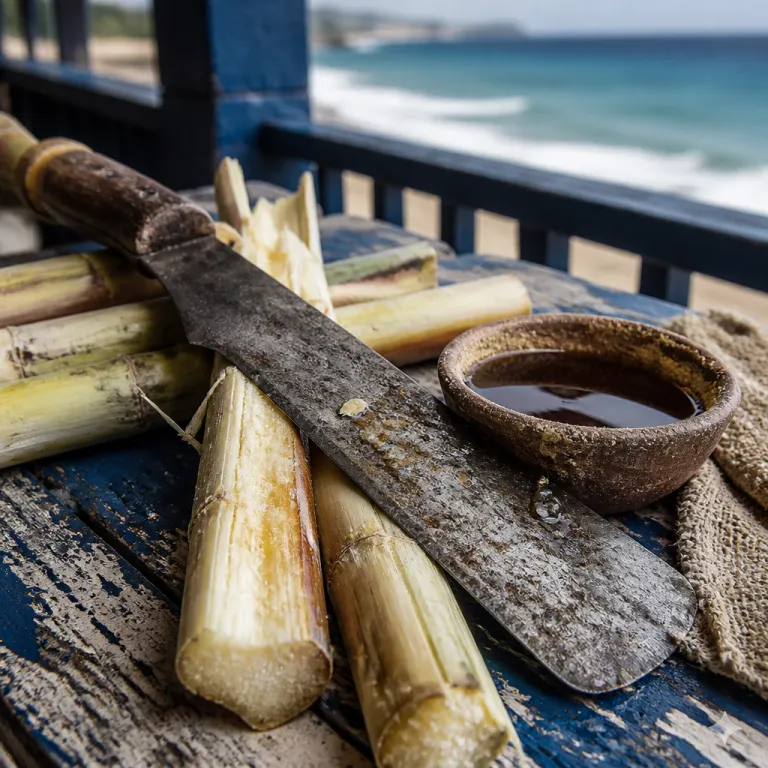
Long before sequins and sound systems, Crop Over began as a harvest festival on the sugar plantations of Barbados. Enslaved Africans and plantation owners marked the end of the cane season with singing, dancing and feasting that briefly softened the brutal rhythm of plantation work. That early festival on the island was less about spectacle and more about survival, a rare day when laborers could assert Barbadian spirit through West African rhythms and cultural memory.
Historians such as Professor Sir Hilary Beckles and research at the Barbados Museum & Historical Society trace the first recorded crop celebrations to the late seventeenth century, when decorated carts rolled across plantation grounds and traditional instruments echoed over the fields. Beckles notes that “the harvest gatherings were among the few moments when enslaved people could publicly affirm their own culture within the plantation regime,” a reminder that the event type was simple — a harvest festival — yet its cultural impact was profound. It allowed enslaved Africans to weave West African forms into emerging Barbadian traditions under the eye of colonial power. Local cultural guides now answer “What is Crop Over?”, “When did Crop Over originate?” and “How is Crop Over celebrated today?” by stressing that these are not just trivia questions but entries into a living emancipation narrative.
As sugar fortunes waned in the nineteenth and early twentieth centuries and global news events reshaped the Caribbean, the original crop gatherings declined before being revived in 1974 as a national festival that now stretches from early June to the first Monday in August. Today visitors flying into Barbados often see only the grand parade, yet the deeper Crop Over heritage still sits in the story of the cane harvest and the shift from coerced labor to cultural self-possession. Understanding that arc helps travelers approach every festival day with more respect, from the first calypso tent in June to the last Grand Kadooment band crossing the stage on Kadooment Day.
Pic-O-De-Crop and the calypso battles behind the glitter
For many Barbadians, the artistic heart of Crop Over is not the road parade but the Pic-O-De-Crop calypso competition. On that charged night, usually in late July or the first days of August, calypsonians step on stage and turn Crop Over traditions into sharp commentary about politics, culture and everyday life on the island. The atmosphere feels grand yet intimate, as locals debate lyrics, trade fun facts about past winners and treat the event as a national referendum on who best captured the mood of Barbados today.
Travelers staying in guesthouses, family-run inns or premium hotels around Bridgetown or along the Platinum Coast often ask whether Pic-O-De-Crop is worth leaving the pool for. The answer is unequivocal, because this is where the summer festival becomes a living archive of Barbadian performance, from West African call-and-response patterns to the storytelling craft that shaped calypso across the Caribbean. Veteran performers often echo the sentiment of calypsonian Red Plastic Bag, who once described the stage as “the people’s parliament,” where a singer can reference sugar cane, cane harvest hardship, or figures like Sir Garfield Sobers as symbols of popular Barbados resilience. In those moments, you are listening to the same culture that once found coded resistance in plantation yard songs.
Tickets for the Pic-O-De-Crop final are typically sold through the National Cultural Foundation and authorized outlets, with prices that range from affordable general admission to reserved seating. Many high-end properties now work with cultural guides to secure tickets, arrange transfers and pair the show with tastings of Mount Gay rum that trace the spirit’s own journey from plantation stills to global icon. If you are interested in how rum heritage meets the room key, read the in-depth analysis of the Mount Gay partnership on Royalton Vessence in this article about rum heritage woven into luxury hospitality. Taken together, Pic-O-De-Crop, the surrounding calypso tents and these curated hotel experiences give visitors to Barbados a way to engage with Crop Over culture that goes far beyond costume design or last-minute deals on Kadooment packages.
Foreday Morning, J'ouvert and the pre-dawn emancipation ritual
While Grand Kadooment dominates the postcards, many Barbadians quietly insist that Foreday Morning — the local J'ouvert — is the soul of Crop Over. In the small hours of the day, long before sunrise, bands of revelers covered in paint, mud or powder move through Bridgetown streets to the pulse of drums and rumbling trucks. The polished veneer of luxury travel falls away here, replaced by a raw cultural energy that connects directly to West African night rituals and the memory of emancipation.
Solo travelers staying in Bridgetown’s luxury and premium hotels, as well as in smaller city-center accommodations, are perfectly placed to experience this side of the island’s festival heritage. Properties near the historic center often coordinate with trusted operators, providing secure shuttles, wristbands and practical guides so visitors to Barbados can join the events safely while respecting local norms. Typical Foreday Morning packages include a T-shirt, drinks and security support, and locals advise wearing closed shoes, leaving valuables in the hotel and arranging a clear meeting point with friends. For those navigating the island alone, the editorial on why Barbados rewards the independent traveler offers useful context in the feature about solo travel on the island, which pairs well with planning a Foreday Morning route.
On this night, rum flows freely, but the deeper intoxication comes from the sense of equality that briefly settles over the crowd. Executives, artists, hotel staff, students and visitors to Barbados move together, anonymous under paint, erasing social hierarchies that once defined who worked the sugar cane rows and who owned the land. Community organizers often emphasize that the goal is joy, not chaos, so following stewards’ directions and looking out for fellow revelers is part of the ritual. For luxury guests, this is not about chasing the best Barbados party but about stepping into a tradition where the Crop Over season becomes a moving monument to freedom, carried through the streets before the first light of early August breaks over the harbor.
Grand Kadooment, Bridgetown Market and the taste of heritage
Grand Kadooment Day is the visual climax of Crop Over, when costumed bands sweep from Hincks Street through Black Rock toward Kensington Oval in a river of color. The parade, held on the first Monday in August, cuts through real neighborhoods, so the grand spectacle unfolds against rum shops, chattel houses and corner vendors selling “culture food” that has nourished Barbadian communities for generations. For travelers, this is where Crop Over heritage becomes tangible through taste, sound and street-level encounters.
Bridgetown Market, held along the Spring Garden Highway on the same weekend as Kadooment, offers a slower way to engage with the festival, especially for visitors to Barbados who prefer to step out of the densest crowds. Here you can sample grilled fish, macaroni pie and pudding and souse, turning a simple fish fry plate into a lesson in how West African, European and regional influences shaped Barbadian cuisine. Stalls selling crafts, artworks and national flags sit beside rum bars pouring Mount Gay and other local labels, while cultural guides share fun facts about the cane harvest origins of the celebration and the evolution of Kadooment Day into a symbol of national pride.
Premium hotels in Bridgetown and along the coast often curate Grand Kadooment experiences that balance comfort with authenticity. Some arrange shaded viewing stands, chilled rum cocktails and post-parade spa treatments, while others focus on small-group walks that slip off the main route into side streets where the festival atmosphere feels more local. Community members frequently remind visitors to stay hydrated, carry small cash for food stalls and respect private yards along the route. However you choose to attend, remember that every feathered costume, every drum rhythm and every plate of street food sits on the long history of sugar cane labor, emancipation struggles and the determination of Barbadian communities to turn hardship into celebration.
Staying in Bridgetown: luxury hotels as gateways to Crop Over heritage
Choosing to stay in Bridgetown rather than retreating to a distant resort changes how you experience Crop Over. From a well-placed luxury property, guesthouse or serviced apartment, you can walk to calypso tents, slip into a rum shop where Mount Gay has been poured since the walls were coral stone and return to a quiet suite before the next day of events. This proximity turns the festival from a single grand outing into a layered series of encounters with Barbadian traditions across several days.
Many premium hotels now design Crop Over packages that go beyond simple room deals, weaving in guided visits to historic plantation sites where the story of sugar cane and the cane harvest is told from the perspective of enslaved Africans. Curated excursions might include a stop at Kensington Oval, where the legacy of Sir Garfield Sobers anchors another strand of national pride, followed by an evening at Oistins fish fry to taste culture food alongside locals. Between outings, guests can retreat to spa programs and quiet courtyards that support a digital detox, a theme explored in depth in the feature on Barbados as a digital detox destination.
Responsible hotels also pay close attention to how they communicate privacy policy details, crowd management plans and safety protocols around Kadooment Day and other dense events. The best Barbados properties brief guests on what to expect on early August mornings, how to move respectfully through neighborhoods and which news events or cultural observances might affect traffic or access. For discerning visitors to Barbados, this combination of high-touch service, deep cultural context and honest guidance turns a stay in the capital into a refined yet grounded way to engage with Crop Over heritage, while still leaving space for independent exploration and community-led experiences rather than just another Caribbean party weekend.
FAQ
What is Crop Over and why does it matter for Barbados?
Crop Over is a Barbadian festival that began in the late seventeenth century as a celebration marking the end of the sugar cane harvest on plantation grounds. Over time it evolved into a national festival that honors emancipation, Barbadian traditions and the resilience of communities shaped by sugar cane labor. The modern version was formally revived in 1974 and now runs annually from early June to early August. For visitors to Barbados, understanding this history adds depth to every parade, concert and cultural event during the season.
How is Crop Over celebrated today across the island?
Today the festival stretches over several weeks with calypso competitions, community events, Foreday Morning street parties and the Grand Kadooment parade on the first Monday in August. Celebrations take place in Bridgetown and across the island, blending West African–influenced music, national pride and contemporary Caribbean creativity. Travelers can experience both large-scale spectacles and smaller cultural gatherings that reveal the everyday life of Barbadian neighborhoods, from village fairs to church services and heritage tours.
What are the key events during the Crop Over season?
Key events include the Pic-O-De-Crop calypso final, Foreday Morning J'ouvert, Bridgetown Market and Grand Kadooment Day. Each event highlights a different facet of Crop Over heritage, from lyrical commentary to street-level revelry and grand costume displays. Hotels in Bridgetown often provide guides and schedules so guests can choose which events best match their travel style, and locals recommend buying tickets early for major shows and arranging transport home before the night begins.
How can luxury travelers engage respectfully with Crop Over?
Luxury travelers can engage respectfully by learning about the emancipation roots of the festival, supporting local artisans and following the guidance of cultural experts and hotel concierges. Dressing comfortably, respecting privacy when taking photos and treating rum-fueled celebrations as cultural rituals rather than just parties all help maintain a considerate presence. Staying in Bridgetown and using locally led tours also ensures that tourism benefits the communities that sustain the festival, while simple steps like carrying small bills, using licensed taxis and following official safety advice keep the experience smooth.
Is Crop Over suitable for solo travelers staying in Bridgetown?
Crop Over is well suited to solo travelers who base themselves in Bridgetown, because many events are centrally located and hotels offer structured access to major gatherings. Solo guests can join organized groups for Foreday Morning, attend Pic-O-De-Crop with concierge-arranged seating and explore Bridgetown Market during the day. With basic precautions such as staying in well-lit areas, keeping valuables secure and checking event times with local sources, the festival becomes an engaging way for independent travelers to connect with Barbadian culture.