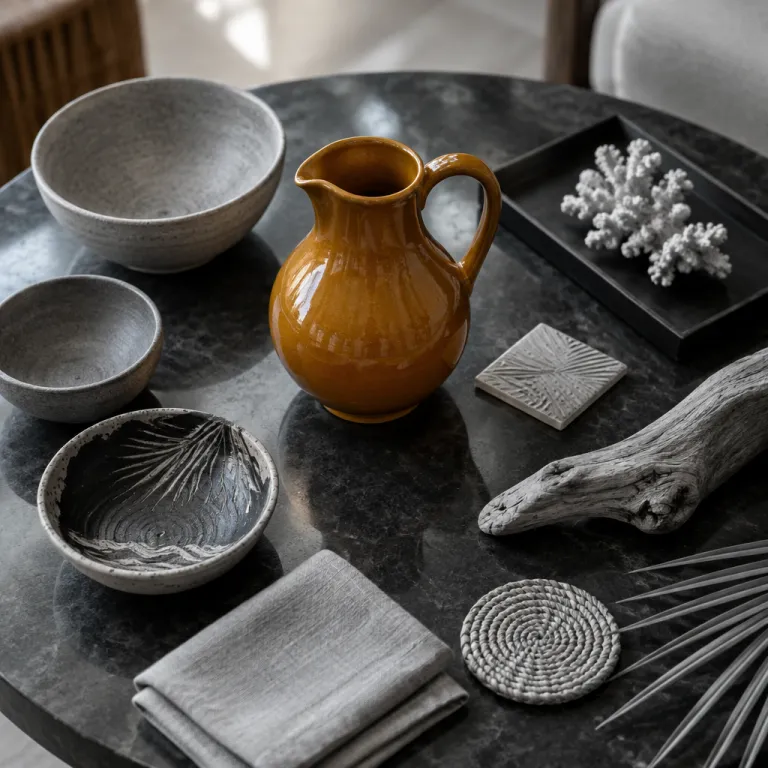
From gallery walls to working studios in Bridgetown
Luxury travelers arrive in Barbados expecting polished gallery spaces and curated Caribbean art on hotel walls. The real shift happens when you leave the framed canvas behind and step into working barbados art studios ceramics craft spaces, where clay dust, wheel marks, and kiln heat explain more than any label. In Bridgetown, the move from gallery to studio turns a simple visit into a deeper guide to how the island thinks about form, colour, and function.
Start at Pelican Craft Centre on the edge of the capital, where small workshops, an art gallery, and a batik studio sit beside wood carvers and jewellers. Here, pottery is not a generic souvenir but a working language, shaped from local red clay and fired into functional pieces that end up in hotel suites and on restaurant tables across island Barbados. You see the business side of craft too, as makers balance custom orders for luxury properties with the steady flow of cruise passengers and guests who book private commissions after a quiet conversation over coffee and Bajan food.
The difference between a gallery Caribbean display and a live art studio is the sound and pace of work. You hear the wheel hum, watch hands centre clay, and understand why earthworks of form and glaze take time, especially when a small pottery team is supplying both a resort lobby and a fine dining room. For travelers used to anonymous décor, meeting the maker who throws the bowl that later holds oistins fish or a breakfast of local fruit creates memories Barbados hotels alone cannot buy.
How hotels curate ceramics, from lobby statements to room details
High end properties in Bridgetown and along the west coast now treat barbados art studios ceramics craft as part of their identity, not just decoration. Instead of importing generic vases, they commission earthworks pottery style pieces, hand built lamps, and small pottery accents that echo the island Barbados landscape in red clay, turquoise glaze, and coral textures. The result is a visual language where Caribbean art, architecture, and Bajan food culture quietly meet in the same space.
Walk into a refined lobby and you may find a low table set with functional bowls whose shapes are repeated in the hotel’s art gallery corridor, each labelled with the studio and the area where the clay was sourced. Some properties now offer a printed guide that maps every piece back to a specific art studio or batik studio, turning a casual stroll to the bar into a self led tour of gallery Caribbean makers. This is where a stay becomes a narrative, as guests trace how pottery earthworks style platters in the restaurant relate to the plates used for grilled oistins fish or to the cups that withstand both dishwasher microwave cycles in the back of house.
Nightlife focused hotels also weave craft into their after dark story, pairing rum tastings with ceramics shaped by local hands rather than anonymous glassware. If you are planning an evening that blends design, cocktails, and conversation, look at guides to refined rum experiences on the west coast, such as this take on after hours on the Platinum Coast. When you recognise a hamilton pottery inspired tumbler or an earthworks pottery influenced serving dish in such settings, the connection between studio visit and hotel bar feels immediate and personal.
Meeting the makers: studio visits, privacy, and practicalities
Leaving the hotel to visit working barbados art studios ceramics craft spaces requires a little planning, but the payoff is significant. Many studios operate as both business and private home, so respecting boundaries is essential, especially in smaller residential streets around Bridgetown and the wider island Barbados. Always check opening hours, read any posted privacy policy at the entrance, and be ready for a slower, more conversational rhythm than in a commercial gallery.
For independent travelers, hiring a car gives maximum flexibility to move between an art studio, a batik studio, and a café serving proper Bajan food in one half day. You can book a driver through your hotel concierge if you prefer not to navigate narrow lanes or park in a tight area near a small pottery workshop. Families planning a creative day out can pair these stops with child friendly activities highlighted in guides to luxury stays with children, such as this overview of family friendly luxury activities in Barbados, then add a short studio visit where kids see clay being shaped in real time.
Some studios welcome custom orders for functional pieces that match a hotel suite or a home kitchen, from dishwasher microwave safe mugs to serving platters sized for oistins fish feasts. When you commission work, ask how long the firing schedule runs, whether shipping to the United States is available, and how the business handles breakage in transit. The most rewarding visits feel like conversations, where you learn how memories Barbados makers translate the island’s light, sea, and limestone into glazes, rather than quick retail stops focused only on price.
A creative half day trail: Bridgetown to the west coast
Design minded guests staying in Bridgetown can shape a compact barbados art studios ceramics craft itinerary that fits neatly between a late breakfast and sunset drinks. Begin near the harbour, where Pelican Craft Centre offers a dense cluster of studios, an art gallery, and textile and batik studio spaces that give a fast overview of local techniques. From there, a short car ride takes you past historic districts and coastal views that explain why Caribbean art here leans so heavily on sea blues, coral pinks, and the earthy tones of red clay.
Continue north toward the Platinum Coast, where hotels and villas quietly compete to integrate the most thoughtful ceramics and small pottery details into their public spaces. Along the way, schedule a stop at a respected pottery earthworks style workshop in the countryside, where you can visit earthworks inspired kilns, see stacks of functional ware, and understand how a single studio can supply both a gallery Caribbean retailer and a five star property. This is where the island Barbados narrative becomes tangible, as you watch work move from wheel to drying shelves, then imagine it on a hotel breakfast table beside tropical fruit and Bajan food staples.
End your trail near Paynes Bay or Holetown, where new generation properties favour intimate scale and strong design over sprawling footprints. One useful reference is this review of a west coast property that makes a strong case for small over sprawling luxury stays, a philosophy that mirrors the island’s preference for human scale studios over factories. As you return to Bridgetown, you carry not just bags in the car but a clearer sense of how barbados art studios ceramics craft shapes the visual language of the island’s most interesting hotels.
Choosing meaningful pieces to bring back to your hotel and home
Once you have walked through several barbados art studios ceramics craft spaces, the question shifts from what to buy to what will genuinely live with you. Focus on functional pieces that you will use daily, such as mugs, bowls, or small serving dishes, rather than fragile ornaments that never leave a shelf. When a plate that once held oistins fish in a Bridgetown restaurant later carries breakfast at home, it anchors memories Barbados in a way no mass produced souvenir can.
Ask makers about clay bodies, glazes, and firing temperatures, especially if you need dishwasher microwave safe pieces for a busy kitchen. Many studios on island Barbados work with durable stoneware and carefully tested glazes, but it is worth confirming, particularly for custom orders that must survive long haul shipping. If you are buying for a hotel or rental property, discuss how the business handles repeat orders, replacements, and any privacy policy related to sharing images of your finished spaces in their marketing.
For travelers who prefer subtlety, look for hamilton pottery influenced forms or earthworks pottery style glazes that echo the sea and coral cliffs without shouting “souvenir”. A single vase in a hotel room, a set of cups on a tray beside local Bajan food snacks, or a compact piece from a batik studio framed above the desk can all shift the mood of a space. The aim is not to recreate a gallery Caribbean display, but to weave Caribbean art, craft, and lived experience into your daily rituals with objects that carry the weight of real work and real hands.
FAQ
How much time should I plan for visiting studios from Bridgetown?
A focused visit to Pelican Craft Centre can be done in about ninety minutes, while adding one or two countryside studios turns it into a comfortable half day. If you are driving a car, allow extra time for narrow roads and photo stops along the west coast. Many travelers find that a morning of studio visits pairs well with an afternoon at the beach or a relaxed hotel lunch.
Can I visit studios without a guided tour?
Independent visits are common, especially for travelers staying in central Bridgetown or along the Platinum Coast. Check each studio’s opening hours in advance, as some operate on limited schedules or close when firing kilns. Your hotel concierge can often call ahead to confirm access or arrange a driver who knows the area well.
Are the ceramics suitable for everyday use at home?
Most established studios on the island produce functional stoneware designed for regular use, including plates, bowls, and mugs. Many pieces are dishwasher and microwave safe, but you should always confirm this with the maker before purchase. If you plan to use items in a professional kitchen or rental property, discuss durability and replacement options in detail.
How do hotels in Barbados support local artists and makers?
Luxury and premium hotels increasingly commission work directly from local studios, from lobby statement pieces to tableware for their restaurants. Some properties host rotating exhibitions or maintain an in house art gallery that highlights Caribbean artists and potters. A few hotels also organise studio visits or artist talks for guests who want a deeper connection to the creative scene.
What is the best way to transport ceramics back to the United States?
Many studios offer professional packing and can arrange shipping, which is the safest option for larger or fragile pieces. If you prefer to carry items in your luggage, ask for double boxing, plenty of padding, and consider placing smaller pieces in your cabin bag. Keep receipts and maker details handy in case customs officers ask about the value or origin of your purchases.