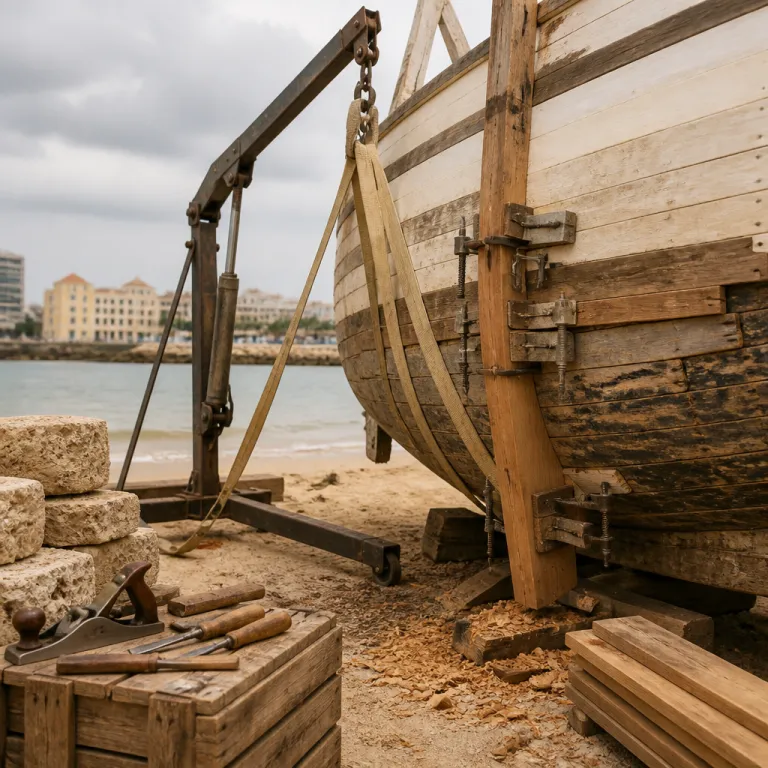
From trade winds to turn-down service: how sailing shaped luxury stays
Barbados sits alone at the eastern edge of the Caribbean island chain, the first island that Atlantic trade winds touch after days of open ocean. Those same winds that once filled the canvas of British settlers’ ships and Indigenous Arawak and Carib peoples’ canoes now shape where you book your luxury room, how calm the waters feel beneath a catamaran, and which coast suits your family best. When you plan a stay in Bridgetown, you are quietly choosing between centuries of sailing routes, historic harbor life, and a modern layer of refined comfort that respects this maritime past.
The island’s 97 km of coast read like a logbook of Atlantic crossings, with the south and west coasts long favored by captains for their forgiving sailing conditions and clear waters. Barbados serves as a natural landfall for vessels arriving from Europe, which is why sailing was crucial for trade, transportation, and cultural exchange. That history still frames today’s yacht charter options, from a single day on a caribbean yacht along the platinum coast to a multi day charter yacht itinerary that links Barbados with Saint Lucia, Grenada, and the wider southern Caribbean.
Historic Bridgetown grew around this deepwater harbor, where European sailing vessels once unloaded sugar and loaded barrels of mount gay rum. The area now forms part of historic bridgetown and its garrison, a UNESCO heritage site that anchors the capital’s identity and gives context to every luxury hotel check in nearby. When you reserve a suite overlooking Carlisle Bay, you are looking out over waters that once held wooden trading ships, naval frigates, and now sleek yachts that glide past coral reefs teeming with life.
Fishing boats, rum shops, and the bays beneath today’s suites
Long before infinity pools lined the west coast, Barbadian fishermen launched wooden boats from small coves and bay inlets that now host some of the island’s most coveted addresses. Barbadian fishermen, described in local records as sustaining communities through fishing, learned these waters by feel, reading the turquoise waters for shoals and the darker bands that signaled coral reefs. Their daily routes along the coast created the working rhythms that still underpin the island’s culture, from early morning market runs to late evening rum shop conversations.
In villages north of Bridgetown, the pattern repeats ; a simple slipway, a cluster of houses, and a rum shop where the mount gay has been poured since the building was coral stone. These are not the cruise ship docks, but the places where gay rum and fishing tales share the same wooden counter, and where families still mend nets within sight of new luxury developments. When you book a premium room near a traditional landing beach, you are stepping into a living maritime neighborhood rather than a sealed resort bubble.
Modern hotels along the west coast increasingly acknowledge this heritage by partnering with local captains for small scale yacht charter experiences that feel rooted rather than generic. A private caribbean yacht outing from a Bridgetown hotel might start with a visit to lively markets where the morning’s catch is sold, then continue along the coast past fishing villages that predate any marina. For an evening, your family can move through the same waters as generations of Barbadian fishermen, but with the comfort of a crewed charter yacht and a chilled glass of rum at sunset, curated with the same care as the tasting menus highlighted in guides to refined Bajan rum experiences on the platinum coast at after hours rum tasting on the platinum coast.
From canoes to catamarans: the evolution of sailing experiences for families
The story of barbados sailing heritage yacht culture luxury begins long before polished teak decks and marina slips. Indigenous Arawak and Carib peoples navigated surrounding seas using canoes, relying on currents, stars, and intimate knowledge of regional islands to move between what we now call a caribbean island chain. Their methods, from handcrafted canoes to reading the swell, laid the foundation for a maritime culture that later absorbed European shipbuilding techniques and modern fishing gear.
As British settlers arrived, they introduced European sailing vessels that turned Barbados into a hub for trade, transportation, and the movement of people across the wider caribbean. Over time, this mix of canoe navigation, sailing ships, and working fishing boats produced a layered maritime identity that still shapes how yacht charter companies design their itineraries today. When you compare a relaxed day sail along the west coast with a more ambitious multi island route toward Saint Lucia and Grenada, you are choosing between echoes of historic trade runs and local fishing circuits.
For families staying in Bridgetown, the modern expression of this heritage often starts with a catamaran anchored in Carlisle Bay, where over 200 shipwrecks, including the Stavronikita, are popular dive sites. Operators have shifted from generic party cruises to curated coastal experiences that include guided snorkeling above coral reefs, quiet coves for children to swim in clear waters, and commentary that connects each headland to a story from historic bridgetown. To weave these experiences into a wider stay, look for properties highlighted in guides to elegant ways to enjoy the best things to do in Barbados from a luxury stay in Bridgetown, such as those featured in elegant ways to enjoy the best things to do in Barbados, which prioritize easy access to marinas and family friendly sailing conditions.
Six Men’s Bay and the rise of the west coast yacht hub
North of Bridgetown, the curve of the coast leads to Six Men’s Bay, a historic fishing village now poised to become one of the island’s most interesting luxury yacht hubs. Here, the under construction Pendry Barbados is reshaping the shoreline, with marina access positioned as a central amenity for guests who want direct access to yachts without sacrificing a calm, village scale setting. The development sits where wooden fishing boats once lined the sand, creating a visible dialogue between traditional livelihoods and contemporary caribbean yacht culture.
Families booking into high end properties along this stretch of coast can expect a different rhythm from central Bridgetown, with quieter beaches and easy access to yacht charter operators who specialize in west coast itineraries. A typical day might begin with breakfast overlooking turquoise waters, followed by a half day barbados yacht excursion that hugs the coast toward Carlisle Bay for snorkeling, then returns north for a sunset swim. The key advantage here is proximity ; you step from your room to the dock in minutes, which matters when traveling with children and juggling naps, meals, and changing sailing conditions.
This part of the island also works well as a launch point for longer southern Caribbean routes that link Barbados with Saint Lucia, Grenada, and the wider arc sometimes described as the Lucia Grenada and Antigua Barbuda corridor. Multi day charter yacht journeys from the west coast allow you to experience several islands while returning to a familiar home base in Bridgetown before or after your voyage. For travelers comparing properties, resources such as the guide to elegant villas in Barbados on the platinum coast at elegant villas on Bridgetown’s platinum coast can help you align your hotel choice with the type of yacht experiences you want, whether that means short family friendly sails or ambitious open water passages.
Choosing your coastline: east swells, west calm, and heritage under the keel
When you book a luxury stay in Bridgetown, you are also choosing your preferred side of the island’s character. The west coast, facing the broader Caribbean, offers gentle sailing conditions, clear waters, and sheltered bays that suit families new to sailing or traveling with younger children. Here, barbados sailing heritage yacht culture luxury expresses itself through polished marinas, calm anchorages, and easy access to coral reefs where beginners can snorkel without strong currents.
By contrast, the east coast faces the open Atlantic, with more powerful swells and a wilder, less developed shoreline that appeals to experienced sailors and those who want to feel the raw energy of the ocean. This is not where you will find most luxury hotels, but it is where the island’s seafaring past feels closest to the surface, especially when you stand on a headland and imagine wooden ships approaching the first caribbean island after weeks at sea. Many yacht charter itineraries respect this difference, keeping family focused days on the west while offering optional passages around the north or east for guests comfortable with more challenging waters.
Historic bridgetown and its garrison, recognized as a UNESCO heritage site, provide the cultural anchor that ties these coasts together for visitors. Within walking distance of many premium hotels, you can explore the old port, visit the Barbados Museum and Historical Society, and then step onto a modern caribbean yacht that departs from the same harbor where European sailing vessels once docked. In this way, Barbados serves both as a living museum of maritime history and as a contemporary hub for refined island hopping, where barbados sailing heritage yacht culture luxury is not a marketing phrase but a daily reality under your keel.
FAQ
Why is sailing so important to Barbados and its capital Bridgetown ?
Sailing shaped Barbados from the first Indigenous canoe crossings to the arrival of British settlers and the growth of sugar trade routes. The island’s position as the easternmost Caribbean island made it a natural first landfall for Atlantic voyages, which led to the development of historic Bridgetown as a deepwater port. Today, that maritime past underpins everything from luxury yacht charter options to the layout of the UNESCO listed harbor district.
What is the difference between sailing on the west and east coasts of Barbados ?
The west coast, facing the Caribbean side, offers calmer sailing conditions, clear waters, and sheltered bays that are ideal for family friendly day trips and snorkeling above coral reefs. The east coast faces the Atlantic, with stronger swells and more challenging waters that suit experienced sailors rather than casual leisure cruises. Most luxury hotels and yacht charter departures cluster along the south and west coasts, where access is easier and conditions are more predictable.
Are there notable shipwrecks or heritage sites to explore from Bridgetown hotels ?
Yes, the waters off Carlisle Bay hold numerous shipwrecks, including the well known Stavronikita, which are popular dive and snorkel sites accessible from many Bridgetown properties. On land, historic Bridgetown and its garrison form a UNESCO heritage site that preserves the island’s colonial era maritime infrastructure. Guests can easily combine a morning exploring the old port with an afternoon sailing or diving excursion arranged through their hotel concierge.
How have traditional fishing villages influenced modern luxury stays in Barbados ?
Traditional fishing villages along the coast, such as those near Six Men’s Bay, established the working relationship between communities and the sea long before hotels arrived. Many modern luxury properties now collaborate with local captains and fishermen to offer authentic yacht charter experiences that reflect this heritage rather than replace it. As a result, guests can enjoy high end comfort while still engaging with the island’s living maritime culture.
Can I combine a stay in Bridgetown with multi island yacht journeys in the southern Caribbean ?
Bridgetown works well as a starting point for multi day yacht charter itineraries that link Barbados with nearby islands such as Saint Lucia, Grenada, and the Antigua Barbuda region. Many operators offer routes that begin with a night or two in a luxury hotel near the harbor, followed by a voyage through the southern Caribbean and a final return stay on the island. This approach lets travelers enjoy both refined urban comforts and the freedom of open water sailing in a single trip.