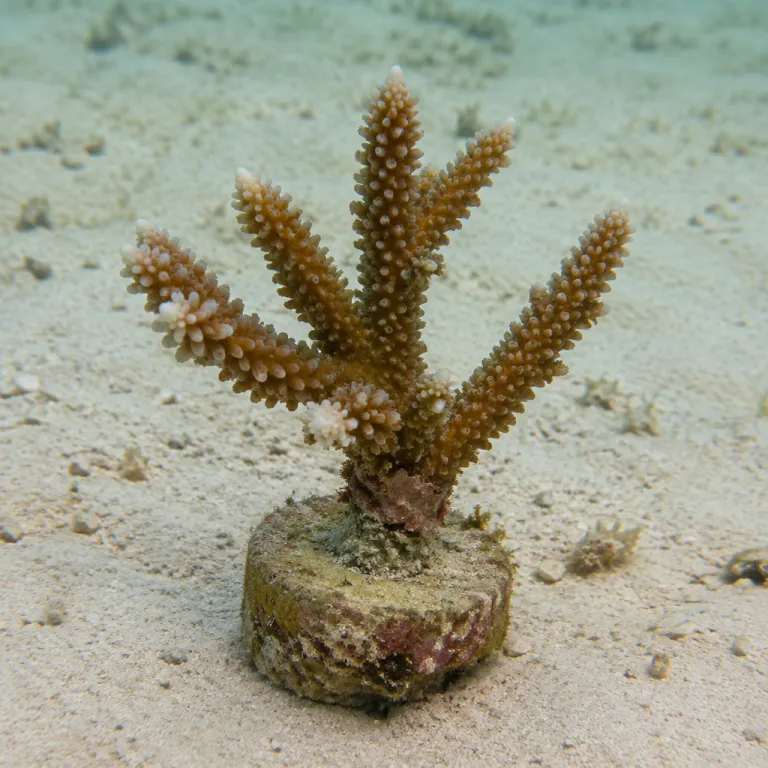
Coral reef restoration in Barbados: how luxury travel is changing
Why Barbados reefs are under pressure and why luxury guests now plant coral
Off Bridgetown, the first thing you notice is the colour of the water, then the broken shapes of coral that hint at how much has changed for Barbados. Warm seas, stronger storms and coastal development have pushed nearby reefs into a fragile state, and the story of Barbados coral reef restoration and wider marine conservation now sits at the centre of any honest luxury conversation. For a traveler who likes to read the ocean as carefully as a wine list, the shift from passive marine excursions to active conservation feels less like a trend and more like a quiet reset.
Local marine biologist guides from groups such as the Barbados Blue Green Initiative (a community-led conservation project active since the late 2010s) and the government’s Coastal Zone Management Unit (CZMU, established in 1996) explain how repeated heat stress, pollution and unregulated fisheries pressure have weakened coral reefs that once wrapped the south and west coasts in a near continuous reef barrier. CZMU monitoring reports from the early 2000s through 2020 note that live coral cover on some fringing reefs has fallen below 20 percent compared with estimates above 40 percent in the 1980s, a decline echoed in regional assessments by the UNEP Caribbean Environment Programme and the NOAA Coral Reef Conservation Program. Those same experts now frame every guided dive or eco dive briefing around reef ecosystems, coral restoration techniques and the simple fact that healthy coral means healthier fisheries, clearer water and more resilient coastal communities. You are not just looking at marine life anymore, you are stepping into a living science lesson where each coral fragment, each coral nursery rope and each reef rescue effort is part of a larger environmental management story for Barbados and the wider Caribbean.
Luxury hotels in Bridgetown that take this seriously now treat the nearby coral reef as a primary asset, not a backdrop. Their sustainability directors talk about marine protected approaches in the same breath as spa menus, and they partner with local institute teams and rescue network volunteers to channel guest curiosity into practical reef rescue support. At properties like Port Ferdinand, O2 Beach Club & Spa or small boutique resorts along Carlisle Bay, guests can join supervised nursery visits or sponsor a coral frame. For the solo explorer, that means a stay where the ocean is not only blue and photogenic but also a place where your time, your dive and even your room choice can help keep coral reefs alive for the next guest. Images of these programmes often show guests working beside Barbadian dive crews, and thoughtful image alt text such as “guest planting coral fragment on nursery tree near Bridgetown” or “marine biologist explaining coral reef restoration in Barbados” helps future visitors understand what real participation looks like before they arrive.
From snorkeling to stewardship: what a coral restoration experience really involves
On a typical morning off Carlisle Bay, a conservation focused excursion starts not with a splash but with a briefing under a shaded awning at your hotel or at a small coastal dive base. The instructor, often a marine biologist or a senior dive director, walks you through how coral fragments are collected, how coral nurseries are maintained and why staghorn and elkhorn species are central to Barbados reef restoration and marine conservation work. You learn how reef ecosystems function like a city, with different coral, fish and invertebrates playing roles that keep marine life balanced and the surrounding ocean clear.
Once you are in the water, the difference from a standard reef dive becomes obvious. Instead of drifting over coral reefs as a spectator, you might help clean algae from a coral nursery tree, gently secure a coral fragment to a line or assist with simple monitoring tasks that support long term management decisions. Guides keep the science accessible, translating environmental data into stories about how climate change, regional currents and even distant islands such as the Cayman Islands influence what you see on this particular Caribbean reef. Many programmes now log basic observations into tablets or waterproof slates so that local institutes can track survival rates, often aiming for more than 70 percent survival of outplanted fragments over the first year, a benchmark commonly cited in Caribbean coral gardening manuals and NOAA training materials published between 2015 and 2022.
Back on shore, many Bridgetown luxury properties now weave these experiences into a broader sustainability narrative that continues long after you towel off. Some hotels invite guests to read short, clear updates about the reef rescue work they support, while others host evening talks where institute researchers explain how building capacity among local youth, dive crews and fisheries stakeholders strengthens the rescue network. A sustainability manager at one south coast hotel describes it simply: “We want guests to leave knowing the name of at least one coral species they helped, not just the name of the cocktail they ordered.” If you are choosing where to stay, look for properties already profiled in guides to eco friendly luxury hotels in Bridgetown or highlighted in the hotel’s own sustainability reports, because these places tend to integrate marine conservation into daily operations rather than treating it as a one off excursion.
How Bridgetown’s luxury hotels are rethinking the ocean as part of the stay
In the capital, the most interesting luxury addresses now treat the ocean as a partner, not a postcard. General managers speak about coral reef restoration in Barbados and broader marine conservation with the same fluency they bring to rum lists, and sustainability management roles sit alongside traditional operations positions. When a director of sustainability can explain both the carbon footprint of your suite and the environmental footprint of your morning reef dive, you know the hotel is serious.
Several high end properties along the south and west coasts have begun to align their coastal design choices with the needs of nearby coral reefs. That can mean softer lighting to reduce disorientation for marine life, careful storm water systems that limit runoff into the ocean and guest education that links every beach towel to a wider story about marine protected approaches. Articles that unpack what sustainable actually means at a Barbados hotel often highlight how these decisions support coral restoration, reef rescue efforts and long term reef ecosystems health rather than just ticking a marketing box. Government reports from the Coastal Zone Management Unit, including status summaries released between 2010 and 2020, note that live coral cover on some monitored fringing reefs has fallen below 20 percent since the 1980s, a reminder that hotel design choices now have measurable ecological consequences.
For the guest, this integration shows up in subtle but meaningful ways throughout a stay. You might find that your preferred room category includes a small contribution to a coral nursery programme, or that the hotel’s chosen dive partner runs eco dive trips with strict environmental protocols and active building capacity work for local crews. Some properties display simple dashboards in the lobby showing the number of coral fragments outplanted that season or the percentage of staff trained in reef friendly practices. When you see clear explanations of how climate change, fisheries management and coastal development intersect with the hotel’s own environmental commitments, you can feel more confident that your luxury stay is aligned with the future of Barbados blue waters rather than borrowing against it.
Choosing real conservation over cosmetic greenwashing in Barbados
For a solo traveler booking a premium stay in Bridgetown, the hardest part is often separating genuine coral reef restoration and marine conservation work from polished marketing language. A real programme starts with transparency about partners, methods and limits, and it treats coral restoration as long term work rather than a seasonal activity. If a hotel or dive operator cannot clearly explain how coral fragments are sourced, how coral nurseries are maintained and how reef rescue outcomes are monitored, you are probably looking at an experience designed more for photos than for reef health.
Look for signs of serious engagement with science and management rather than vague environmental claims. That might include collaboration with a recognised marine institute, participation in a regional rescue network or clear references to how climate change and local fisheries policies shape on the ground decisions. Properties that align with a national strategy to attract fewer visitors and make more of each one often show their commitment by limiting group sizes, supporting marine protected approaches and investing in building capacity among local guides and marine biologist teams. When hotels reference data from sources such as the UNEP Caribbean Environment Programme’s 2021 regional coral status updates or the NOAA Coral Reef Conservation Program’s Atlantic and Caribbean assessments, it usually signals that their decisions are grounded in current research rather than trend driven slogans.
There are also practical red flags that any guest can spot without a degree in marine science. If a so called eco dive trip allows touching coral reefs, feeding marine life or anchoring directly on a coral reef, the practice contradicts basic reef ecosystems protection principles. By contrast, operators who brief guests carefully, enforce no touch rules and explain why healthy coral matters for coastal protection, fisheries and the broader Caribbean ocean network are usually the ones whose work will still make sense when you read about Barbados blue waters a decade from now. Asking how long they have been involved in reef restoration, how many fragments they outplant each year and whether they share results with local authorities can quickly reveal whether conservation is central or cosmetic.
What you gain by planting coral during a Bridgetown luxury stay
There is a quiet shift that happens when you move from watching a reef to helping it heal. The act of tying a small coral fragment onto a nursery structure or gently cleaning algae from coral nurseries changes how you read the ocean, and it often changes how you think about every future trip. Instead of leaving with only photos of blue water and marine life, you leave with a mental map of reef ecosystems, a sense of the work behind every healthy coral colony and a deeper connection to Barbados itself.
Guests who join these programmes often talk about how the experience reframes luxury as participation rather than extraction. An afternoon spent on a reef rescue dive or a guided snorkel that supports marine protected approaches can feel as restorative as any spa treatment, especially when framed by thoughtful hotel teams who understand both hospitality and environmental stewardship. One repeat visitor described planting coral on a shallow nursery near Carlisle Bay as “the first time a vacation souvenir felt like it might still be alive in ten years.” Over time, this kind of engagement helps build a more informed visitor base, one that asks better questions about climate change, coastal development and fisheries management across the Caribbean and even in places like the Cayman Islands or Grenada.
For Bridgetown’s high end hotels, hosting the new marine guest means investing in training, equipment and long term partnerships that go beyond a single season. It means supporting local institute research, contributing to a regional rescue network and quietly building capacity among young Barbadian divers who may become the next generation of marine biologist leaders. Many programmes now track how many local trainees progress from basic dive certification to reef monitoring roles, using guest funded dives to underwrite that pathway. When you choose a property that treats coral reef restoration and marine conservation in Barbados as part of its core identity, your stay becomes a small but real part of a larger story about how this island keeps its coral reefs, its fisheries and its coastal communities thriving.
FAQ
Can I join coral restoration activities if I am not a certified diver?
Yes, several operators around Bridgetown offer guided snorkeling based coral restoration experiences for non divers. These usually focus on observing coral nurseries, helping with simple monitoring tasks from the surface and learning how to behave around fragile reef ecosystems. Always check that the programme is led by qualified guides and follows clear marine protected area guidelines.
How do I know if a hotel’s marine conservation claims are credible?
Credible hotels can explain their partnerships, methods and long term goals in plain language. Look for clear information about coral restoration work, support for local institutes or rescue networks and transparent reporting on environmental impacts. If the property links its reef activities to staff training and community programmes, that is usually a strong sign of genuine commitment.
Is coral planting safe for the reef and for marine life?
When done under scientific guidance, coral planting can support the recovery of damaged areas without harming existing coral reefs. Responsible programmes use carefully selected coral fragments, avoid sensitive zones and monitor survival over time. Guests are supervised closely so that their participation helps rather than stresses the surrounding marine life.
What should I look for in an eco focused dive operator in Barbados?
Choose operators that brief guests thoroughly, enforce no touch policies and avoid anchoring on coral. A strong eco dive operation will limit group sizes, use mooring buoys and collaborate with marine biologists or institutes on monitoring and reef rescue work. Reading recent guest feedback and asking direct questions about conservation practices before booking can help you make a confident choice.
Does participating in coral restoration really make a difference?
Individual actions are part of a larger network of efforts that support reef resilience. Your participation helps fund equipment, data collection and building capacity among local teams who work on coral reef restoration and marine conservation in Barbados year round. While no single dive or snorkel fixes climate change, engaged guests strengthen the social and financial foundations that long term conservation requires.
Sources
National Geographic features on Caribbean coral reef restoration (2018–2023); UNEP Caribbean Environment Programme regional coral status updates (for example, 2021 assessments); NOAA Coral Reef Conservation Program guidance on coral gardening and outplant survival (2015–2022); Barbados Coastal Zone Management Unit coastal monitoring reports and reef status summaries (2000–2020).